Michael is the operational infrastructure for physical materials swaps. It makes a swap safe, standard and fast to structure. ARCO pre-screens compliance before anything binds. Escrow secures the payment. Settlement runs through an audited 14-state lifecycle.
The problem
Swaps have long helped companies address market mismatches, but in the absence of proper tools the process remained cumbersome and inefficient. As market dynamics accelerate, these outdated ways of working are no longer sufficient.
Commodity margins are very low. Companies must get more value from the inventory they already own.
Freight costs increase. Customers do not pay for the increase. A location swap removes the freight.
Duties and sanctions change faster than supply contracts. A swap changes the delivery route without a new contract.
EU and global rules ask for more reuse of material, recovery of feedstock, and value from waste.
The material exists, but not in the correct place, at the correct time, or in the correct specification. Companies pay for this.
Shortages, delays and wrong quality put customer commitments at risk. Companies must keep more safety stock. They pay for fast supply or for penalties.
Each swap needs its own negotiation, legal structure and manual work. The process does not scale.
The material is with different companies, in different regions and grades. No standard process connects them.
The parties must check quality, meet regulatory requirements and agree who carries the risk. This work can cost more than the swap earns.
The Platform
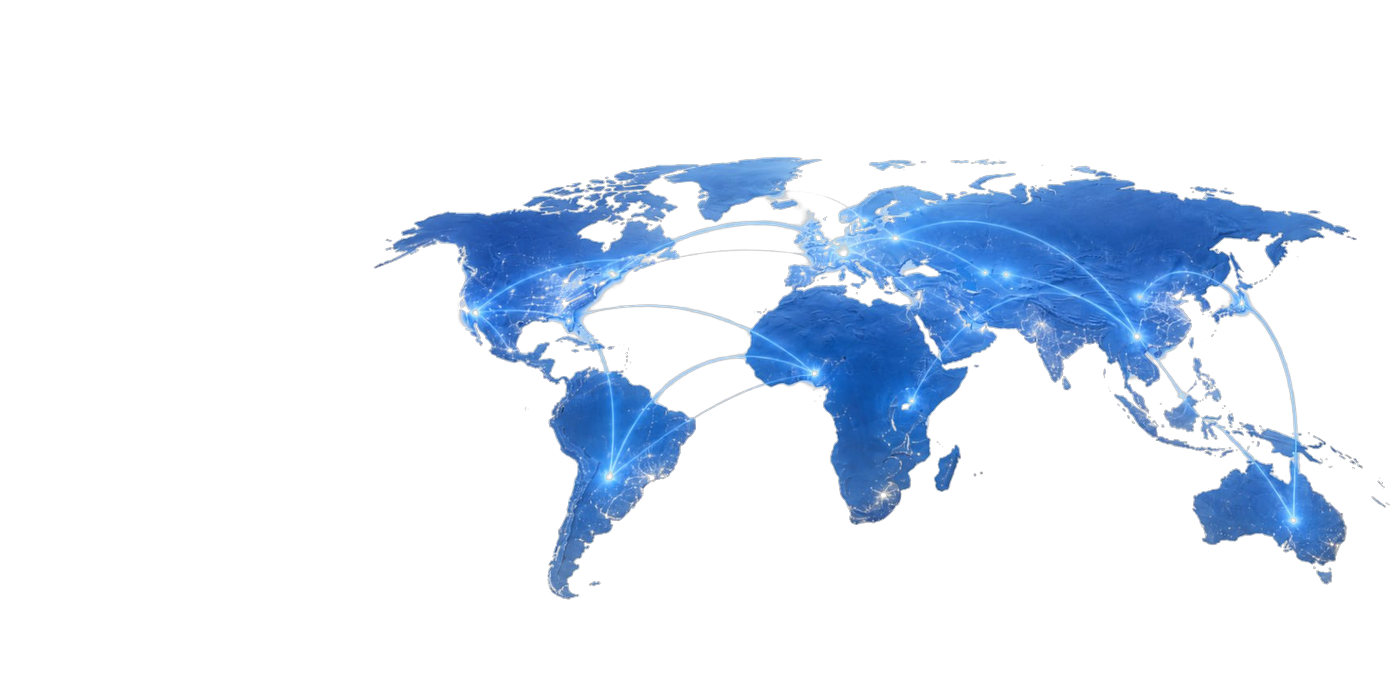
Michael connects counterparties, verifies quality and pre-screens the regulatory picture. It runs settlement through condition-gated payment security: escrow by default, with an SBLC or a letter of credit electable per swap. Physical goods never move further than they have to.
Serve your counterparty's demand from local inventory instead of shipping. Michael quantifies the freight, terminal and tariff savings before you commit.
Trade off-prime material to a counterparty who can use it, and take the prime grade you need back. Michael prices the swap on the quality differential, not a full re-buy.
Swap delivery timing to improve working capital. The underlying contract does not change.

Three modules power every swap
A pre-trade screen against published REACH, TSCA, OFAC and CBAM lists. It returns CLEARED, PENDING or BLOCKED in seconds, ahead of formal review. A blocked counterparty or substance never becomes a swap.
How ARCO works →Reconciles quality data across labs and jurisdictions. Disputes over specification do not surface after the deal closes.
How VerifyHub works →Graduated dispute resolution in three steps: algorithmic, then expert, then arbitration. It is part of the contract, not left to litigation.
Liability & disputes →Integrity
Every swap moves through an audited 14-state lifecycle. No one can skip a step, including us. The parties elect the payment security per swap: full escrow, partial escrow plus a standby letter of credit, or a letter of credit. Funds release only when the platform confirms the elected conditions: delivery evidence, quality verification and, where cover is mandatory, the insurance lift gate. Counterparties see anonymised identifiers until both sign the contracts. They never see each other's commercial data.
Proof
Every figure below traces to a sourced entry in the marketing claims register.
Worldwide chemical sales in 2024 (Cefic). Most of this industry still trades bilaterally.
Average MFN duty on chemicals into the EU and the US (WTO World Tariff Profiles 2026). A location swap can take this duty to zero.
Standard contracts and automated pre-screening replace custom drafting. Our fee on a location swap is a share of the demonstrated, auditable savings. If the swap does not save you money, there is nothing to share.
The cost of the old way
A bilateral swap negotiated the old way carries structuring cost, compliance risk and weeks of delay. Michael removes them.
Legal fees, compliance review and negotiation start again for every swap. You pay them again on the next one.
Standard contracts, an automated compliance pre-screen and built-in dispute resolution replace the custom drafting.
Spent on custom legal review and manual quality reconciliation, per deal.
Compliance coverage
Eight base checks run on every swap. They cover chemical registration, sanctions, EU tariff and anti-dumping, carbon, dangerous goods, food contact and responsible minerals, plus a per-side accounting-treatment check. ARCO adds corridor rule sets for APAC, China export controls, MENA, South America and Africa. The list alongside names the registry or standard behind each check. A cleared result expires after 72 hours on EU/US corridors and after 24 hours on any MENA/China nexus. ARCO gives a pre-screen, not a ruling.
Read more:
Industries
How it works
Material, quantity, terminals, delivery window, pricing formula, payment-security preference. Anonymous from the first click.
An anonymous order book with composite trust ratings. The term sheet freezes only when both sides agree every needed term.
ARCO screens sanctions, beneficial ownership and corridor rules against published lists before anything binds. A blocked counterparty never becomes a swap.
Two per-leg contracts under English law. Each side learns the other's identity only when both sign. The parties elect the payment security per swap: full escrow, partial escrow plus SBLC, or letter of credit.
Bills of lading, custody surveys and certificate-of-analysis verification gate the release. Where cover is mandatory, goods lift only with bound insurance or an explicit sign-off from both sides.
The server enforces and logs every state transition. Each swap moves through a 14-state lifecycle that you can watch on screen. No one can skip a step, including us.
Most swaps start on the marketplace. A swap you agreed elsewhere can also run on the platform: the same screening, the same settlement and the same certified record.
Request a walkthrough of the live demo environment. You see both sides of the trade.